Jun. 28, 2021
Cooking In Season
Salad Meals to Beat the Heat
In this recipe round up, I have gathered my best and most delicious summer salad meal recipes in one post, for days when it’s too hot to cook!
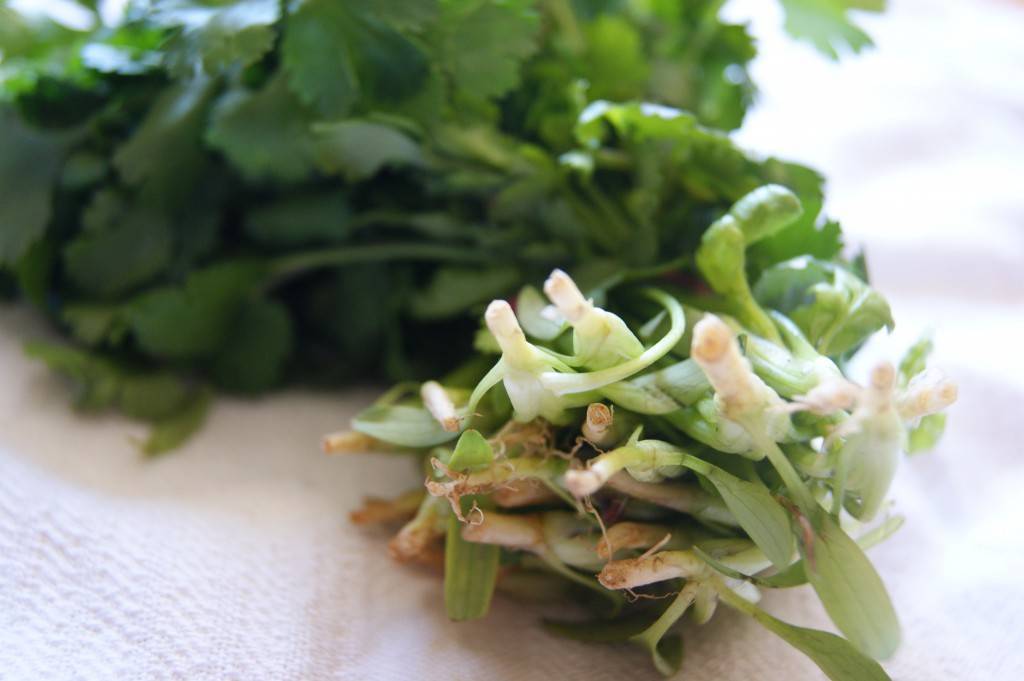
Of all the wonderful fruits and vegetables that are coming into season, cilantro root is the one that I am most excited about right now (sorry, dear cherries). Cilantro Root has a delicious herbal flavour, packs a powerful cilantro punch without being too cilantro-y, and is an essential ingredient in all kinds of Thai recipes. And it’s in season RIGHT NOW!
The thing is, nobody sells it.
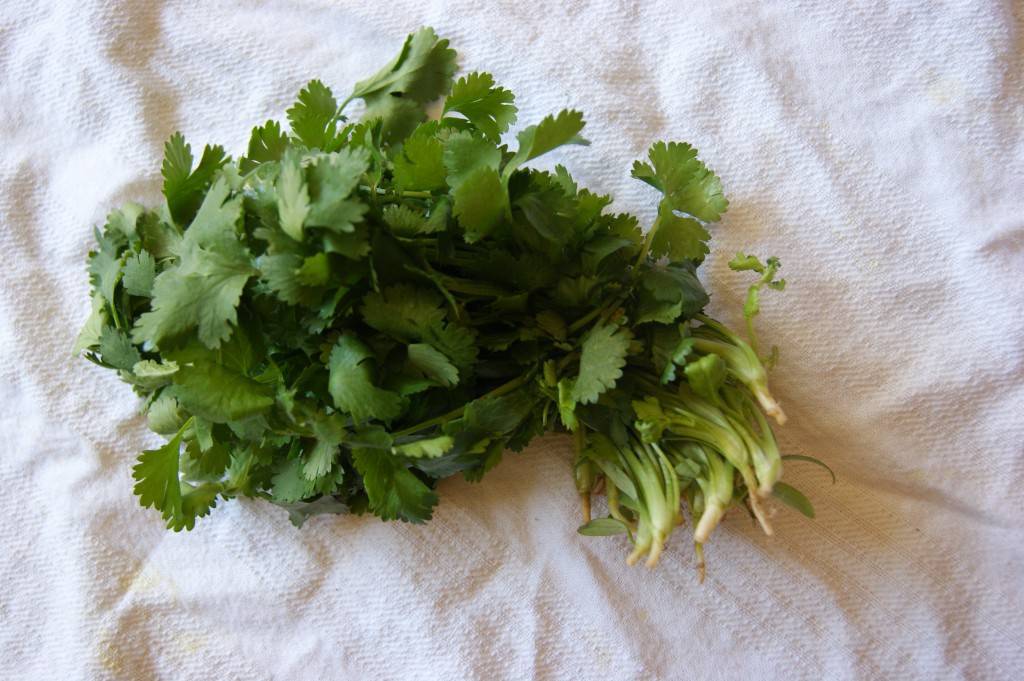
But… grocery stores and produce markets everywhere are selling B.C.-grown cilantro right now and it comes with the roots attached! They just don’t realize the gold mine they are sitting on! Foodies everywhere will pay through the nose for fresh cilantro root, so don’t give my secret away. I have been known to buy out a store’s entire supply of summer cilantro only for its roots (shhhh…. I didn’t really say that). I mean, I will give the leafy parts away to good homes, but I buy twelve bunches of cilantro at a time just get my greedy hands on the parts that most people throw away. My neighbours have learned to be prepared for my summer cilantro giveaways. They think I am being generous when I’m really being food-crazy.
Cilantro root freezes very well and keep its flavour for at least 6 months in the freezer. Cilantro root is always used in South-East Asian pastes, marinades and dipping sauces, so it doesn’t need to look pretty. Here’s how I go about freezing my local cilantro root. You can do this with as many bunches at a time as you have.
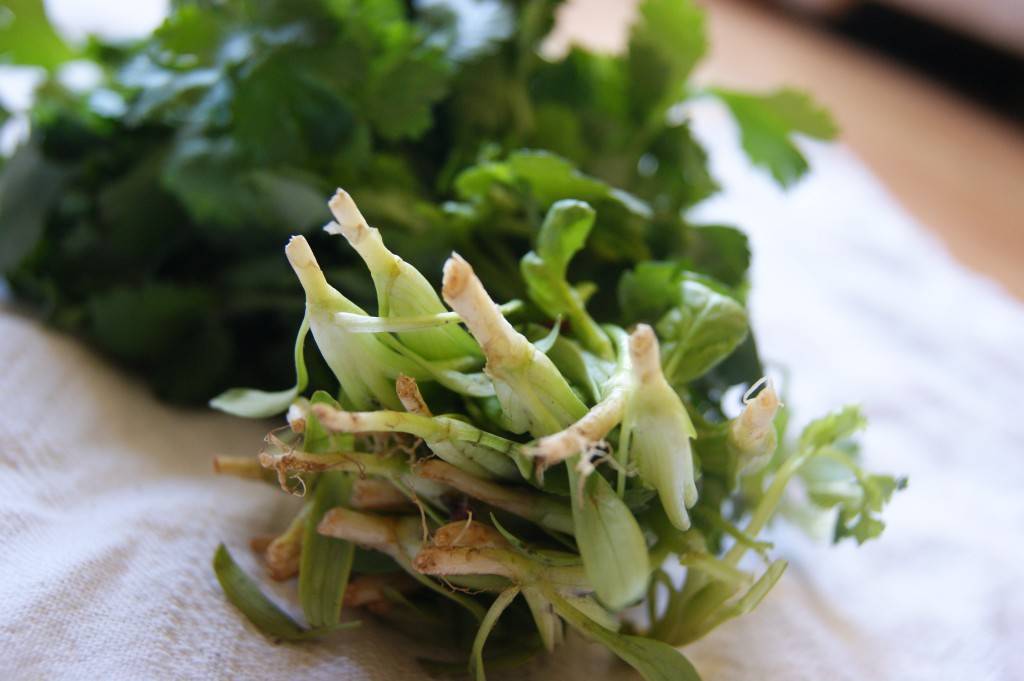
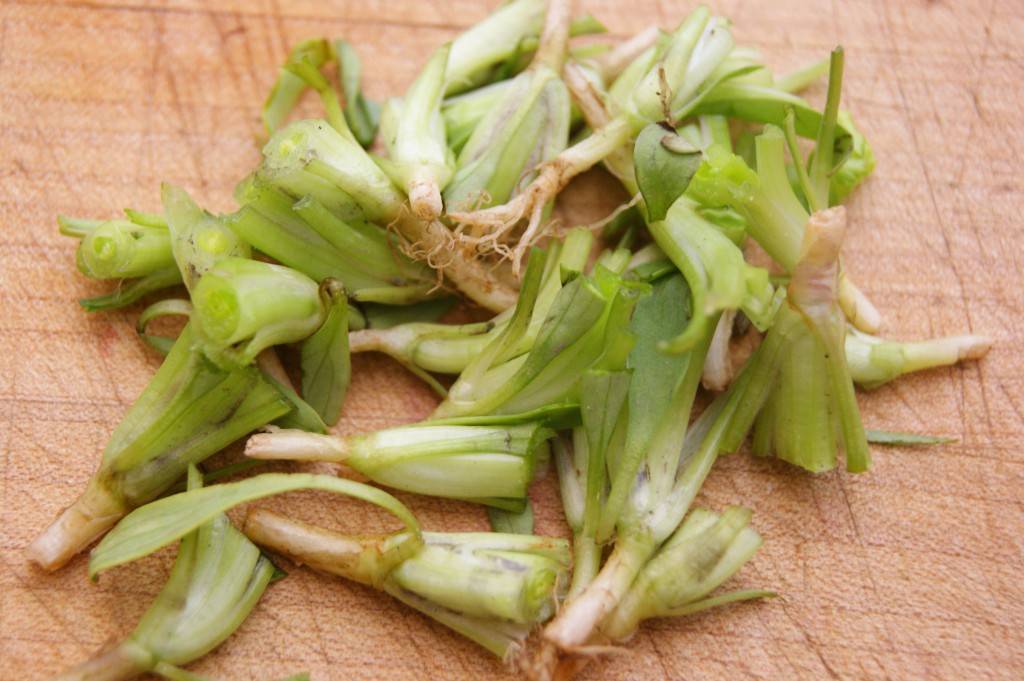 Cut off the roots and a bit of the thickest stems from your bunch of fresh locally-grown cilantro.
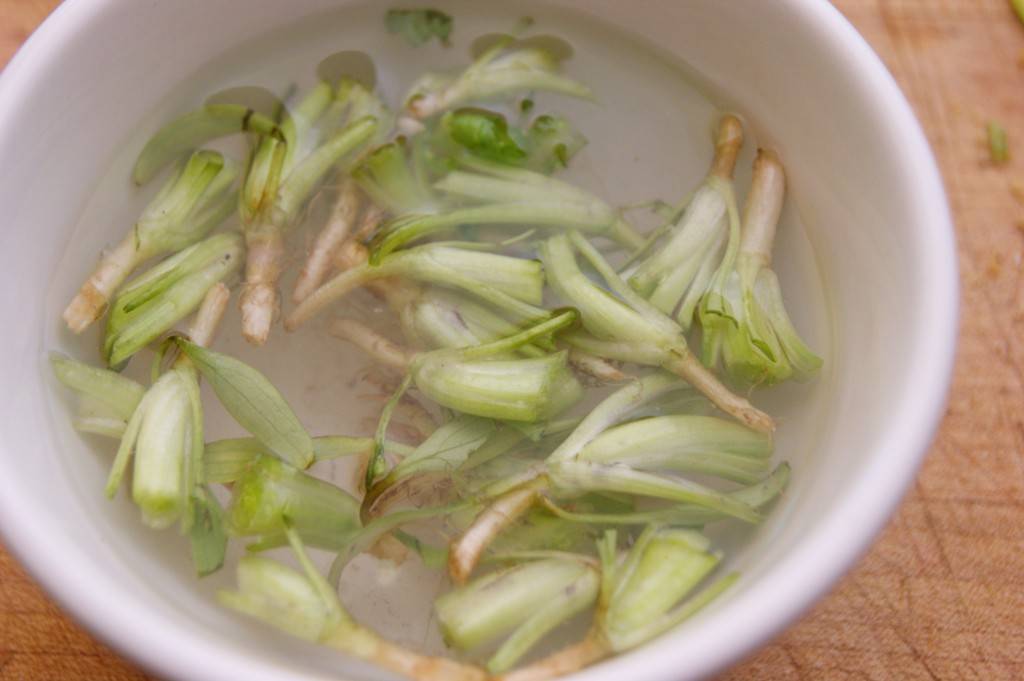 Place in a bowl and cover with cold water. Swish with your hands to remove dirt. Pull off any wilted or yellow leaves or stems. Scoop off the cilantro onto a plate, drain out the water and dirt, rinse the bowl, put the cilantro back in, cover with more water and repeat the process, until the cilantro is clean.
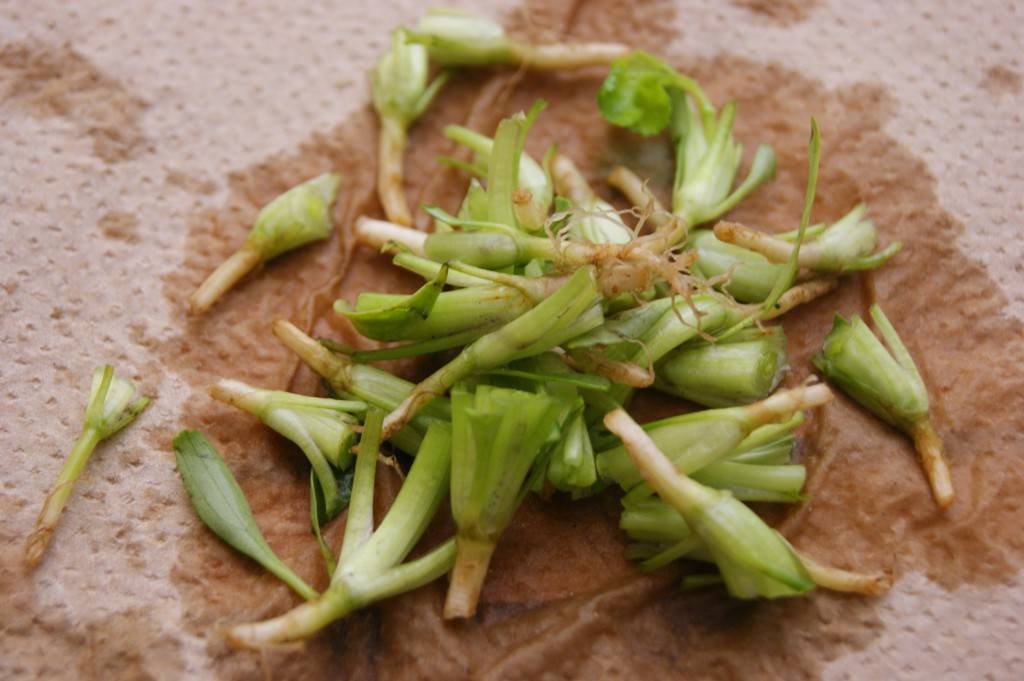 Place drained cilantro on several layers on paper towel and pat dry.
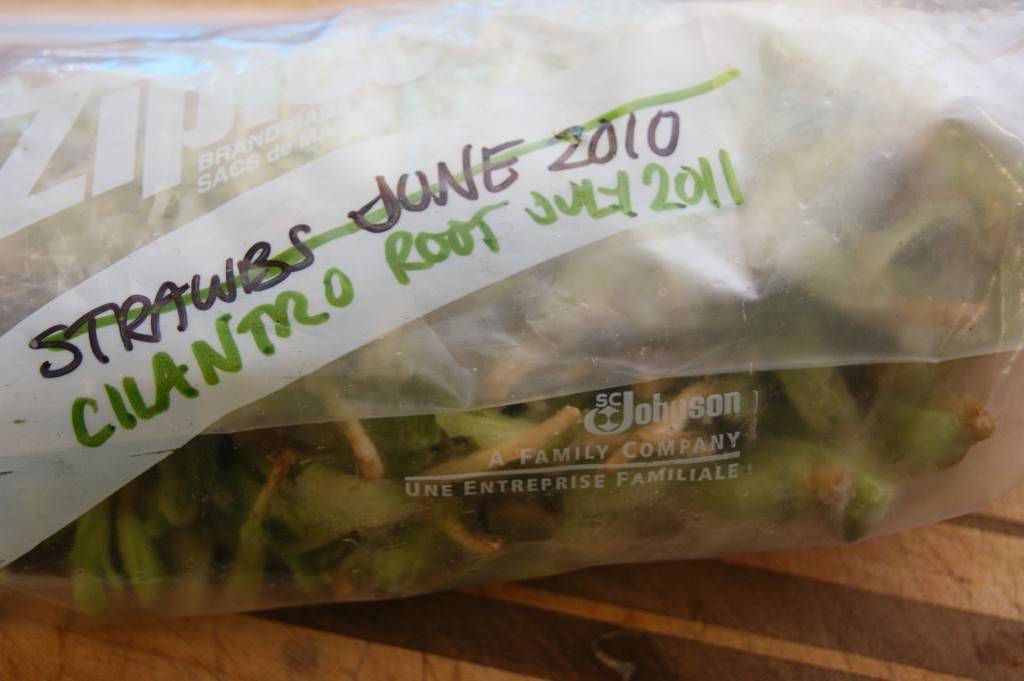 Place in a zipper-lock bag, label, date, and pop in the freezer.
To use: smash the bag against the counter to break up the cilantro, pull out and measure what you need while they are still frozen, let thaw in a bowl (roots will shrink when thawed) and proceed with the recipe, using both the thawed roots and any juices that have come out while thawing.
Thai curry paste, Thai sate marinade, Thai cilantro root & black pepper paste: here we come!
Jun. 28, 2021
In this recipe round up, I have gathered my best and most delicious summer salad meal recipes in one post, for days when it’s too hot to cook!
Oct. 25, 2020
Quince have a wonderful flavour, but an almost impossibly hard texture. Read on for a quick kitchen tip that makes quince easy to peel and cut!
Sep. 27, 2020
Pumpkin spices scones are a perfect fall treat; not-too-sweet, fragrant with spices, with a full complement of rich pumpkin flavour.
Thank you. My cilantro is bolting and wanted to find a way to preserve the roots as I have no time to use them right now. This was the first post that popped up in my search. Now I don’t feel bad ripping them from the ground to plant more cilantro. I’ll have enough preceded cilantro to last all winter (dehydrated, cilantro salt, frozen cubes, and now frozen roots). Thank you!
Hi Joy, you are welcome! Cilantro roots are so delicious
how about puree-ing the roots first then freezing? then just take as needed?
I have never tried that. It could work, but you would have to pre-measure the puree into portions before freezing. The whole root method is easier, becasue you can put them all in the same bag and pull out what you need.
I’m excited to learn that the cilantro roots can be used for cooking! When cilantro comes with roots I put the roots with stems and leaves attached into a glass of water (only the roots in the water) and cover loosely with a plastic bag and store in the refrigerator to keep it fresh. Can the root be saved after storing that way? And what is the best way to store the leaves so they last more than a day or two?
Hi Nora,
yes, the roots can be used after storing this way, for sure. The rest of the cilantro (stems & leaves) – I find it’s best to dry them thouroughly (spread them out on paper towels and pat dry) then either a) wrap in clean paper towel and put into a plastic zipper-lock bag in the fridge OR b) put into a mason jar with cold water up to the stems and cover with a plastic bag; keep the jar upright in the fridge. Both methods work well, but I prefer the first method because I usually accidentally knock over the jar of water at some point LOL
That last comment should have read What is the best way to store the stems and leaves so they last more than a day or two.
Thank you!